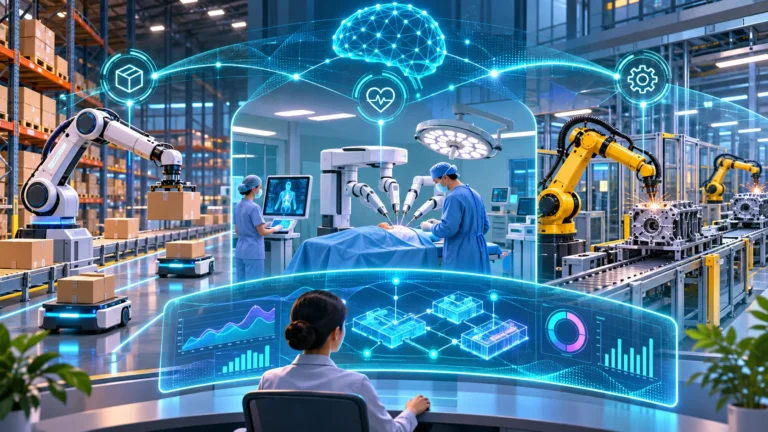
Physical AI in Taiwan: 6 Commercial Opportunities for Industrial Robotics
Taiwan's physical-AI push is moving intelligence into factories, logistics and services. Here are six commercial opportunities businesses should watch.
Why physical AI in Taiwan deserves attention
Physical AI in Taiwan is becoming a commercial technology story rather than a laboratory promise. Taiwan’s technology ecosystem is developing opportunities around world models, robotics software, edge intelligence and systems integration. Industry initiatives are also bringing hardware, sensors, computing and manufacturing partners closer together, which is important because useful physical AI requires more than a capable model. It needs reliable perception, safe action, low-latency computing, maintainable hardware and a clear business owner.
The opportunity is relevant to companies outside Taiwan as well. Manufacturers, logistics operators, healthcare providers and technology integrators are deciding where intelligent machines can create measurable value without turning every process into an expensive experiment.
Six commercial opportunities
1. Edge intelligence for production lines
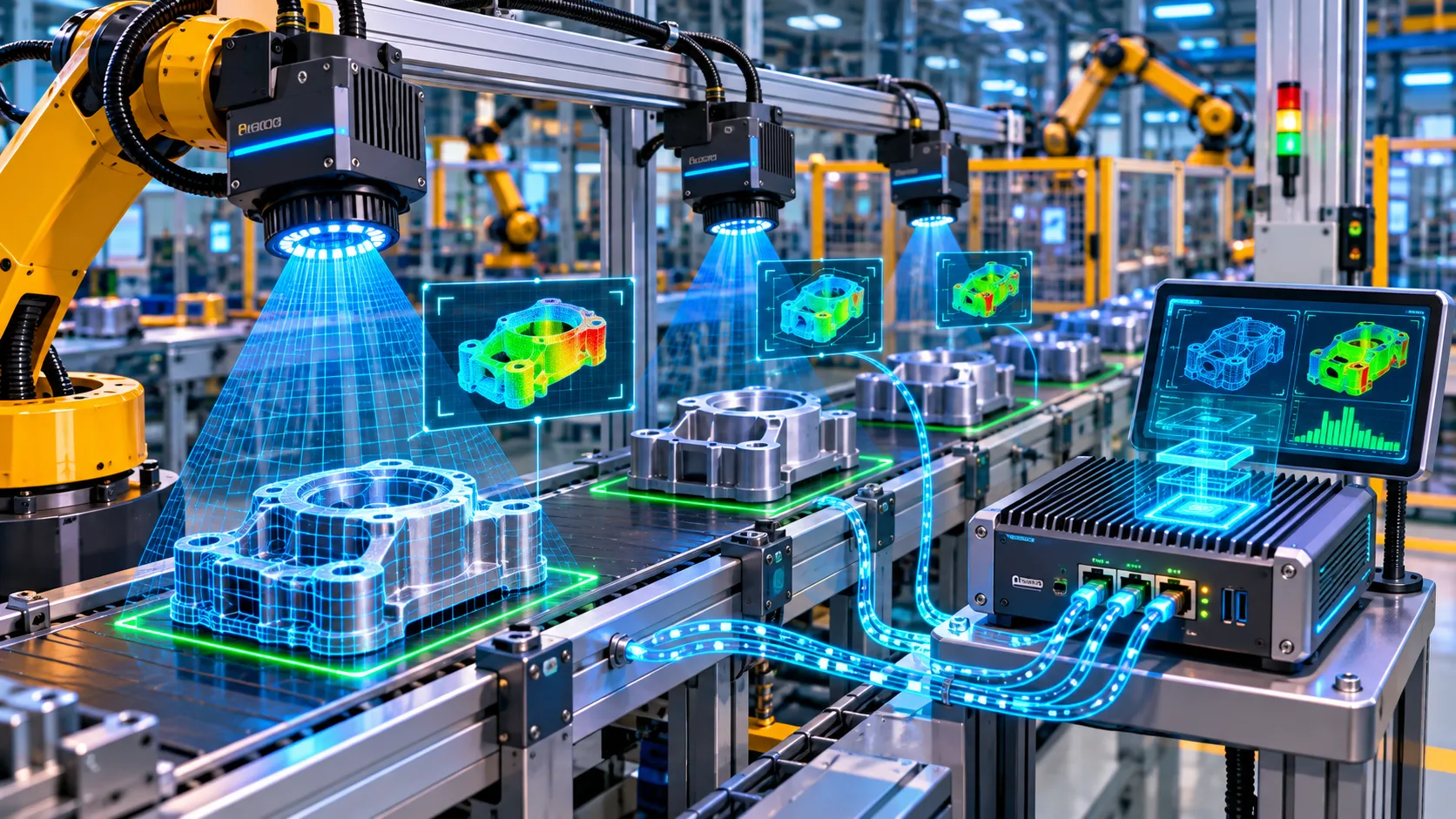
Factories can use vision and sensor systems to detect defects, predict maintenance needs and adjust processes without sending every signal to a distant cloud. Edge processing can reduce latency and improve privacy, especially when production data contains valuable designs or operational details.
2. Robotics systems integration
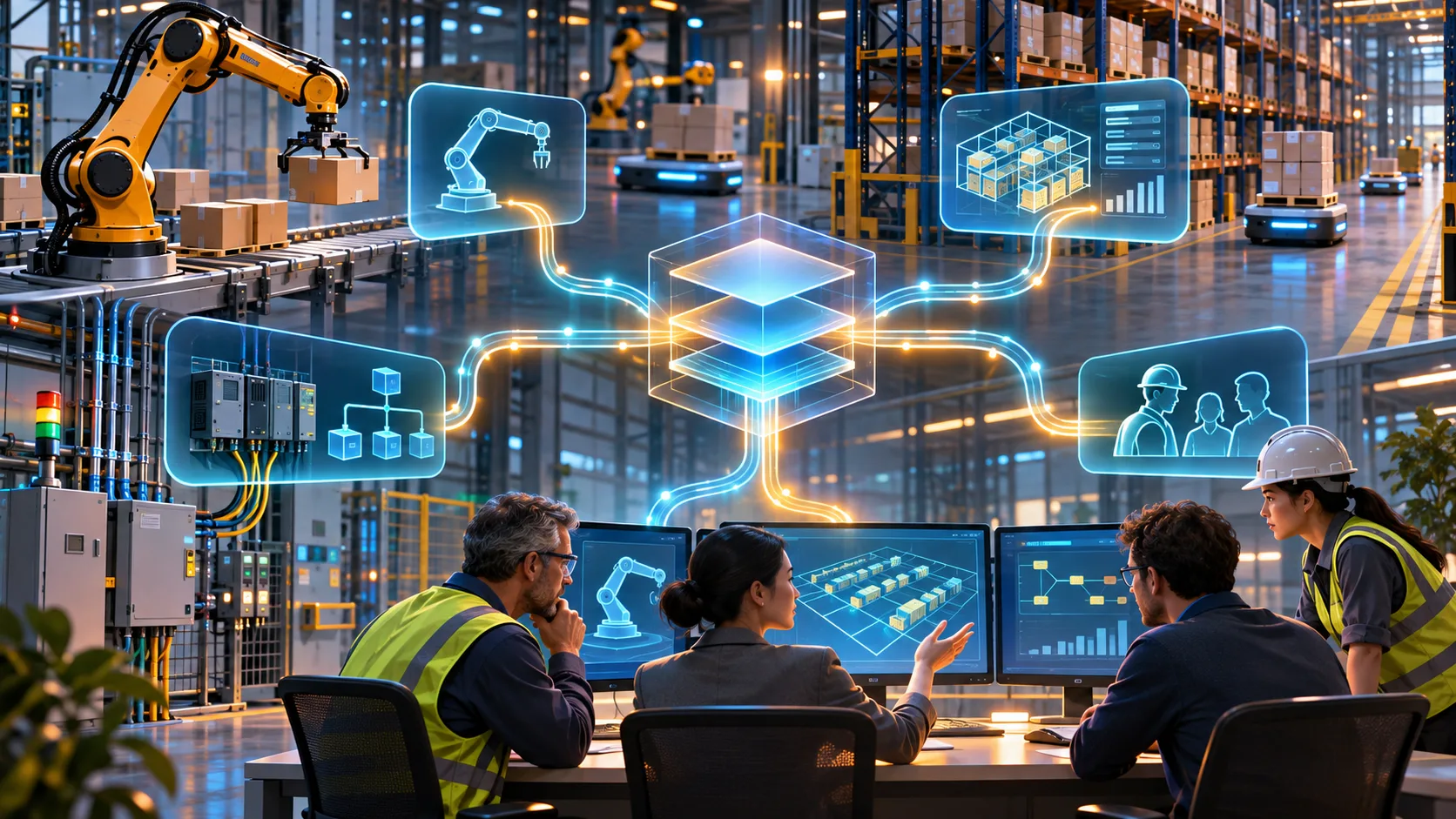
Most businesses will not buy one universal robot and switch it on. They will need integration between machines, warehouse systems, enterprise software, safety controls and human workflows. That creates room for integrators that understand both physical operations and software architecture.
3. Smarter logistics and fulfilment
Warehouses can combine perception, routing and robotic movement to reduce repetitive work and improve throughput. The most valuable deployments are likely to be narrow and measurable: picking a particular product class, moving goods between known zones or checking package quality before dispatch.
4. Healthcare and assistive applications
Physical AI can support logistics inside hospitals, rehabilitation equipment, monitoring and assistive tasks. Safety, consent and human supervision are essential, so healthcare adoption will reward systems that are explainable, fail-safe and easy for staff to override.
5. Industrial data and simulation
Before a robot enters a live environment, businesses can use simulation and digital-twin workflows to test layouts, safety conditions and edge cases. Better simulation shortens deployment cycles and gives operators a way to validate changes before they affect production.
6. Component and platform specialization
There is opportunity beyond complete robots. Sensors, edge processors, secure connectivity, robot operating software and maintenance tools can become specialized platforms. Taiwan’s hardware ecosystem is well positioned to participate, but commercial success will depend on reliability, support and integration—not only component performance.
What buyers should ask before investing
Executives should define the operational problem first. What task is expensive, unsafe, slow or inconsistent? What data is available? What happens if the model is uncertain? Who can stop the machine? How will performance be measured after deployment? These questions protect businesses from purchasing impressive demonstrations that cannot survive real conditions.
Physical AI also needs a strong digital foundation: segmented networks, clear device identities, software updates, audit logs and supplier controls. Our coverage of new AI infrastructure and governance for autonomous workflows offers related context.

For buyers, the next step is to run a focused pilot with a defined success measure and a clear human override. Track safety incidents, downtime, maintenance effort, operator acceptance and the cost per completed task. A pilot that exposes integration or data-quality problems is still valuable if the team records those lessons before expanding. That disciplined approach is how physical AI moves from an impressive demonstration to a dependable business capability.
Final takeaway: Physical AI in Taiwan points to a wider shift: intelligence is moving into factories, warehouses, healthcare and infrastructure. Businesses that choose focused use cases, secure the operating environment and measure outcomes will capture more value than those chasing automation for its own sake.
Sources: Taiwan Institute for Information Industry physical-AI analysis; Primax and Taiwan Robot Ready 2026 initiative.