AI and Quantum Cyber Resilience: 7 Steps Financial Firms Should Take
New Bank of England guidance puts AI and quantum risks inside the cyber-resilience conversation. Here are seven practical steps for financial firms.
Why AI and quantum cyber resilience is becoming urgent
AI and quantum cyber resilience is moving from a specialist security topic into a board-level resilience issue. The Bank of England has published a consultation on cyber-resilience guidance and additional effective-practice material covering artificial intelligence and quantum computing. The message for financial firms is not that every quantum threat arrives tomorrow. It is that long-lived systems, sensitive data and critical third parties require planning years before a transition becomes mandatory.
Artificial intelligence changes the speed and scale of cyber activity, while quantum computing could eventually weaken cryptographic methods that currently protect financial information. These risks are different, but they overlap in one important way: organizations need better inventories, more agile architecture and tested recovery rather than a single point-in-time compliance exercise.
Seven practical steps for financial firms
1. Build a cryptographic inventory
Record where encryption, signatures, certificates and key-management services are used across customer applications, internal systems and suppliers. Include data that must remain confidential for many years. Without an inventory, teams cannot prioritize migration or understand which systems will be hardest to change.
2. Plan for crypto agility
Crypto agility means the organization can replace algorithms, keys and certificate processes without rebuilding every application. Use abstraction layers, documented dependencies and automated certificate management. New systems should avoid hard-coding one algorithm into business logic or data formats.
3. Govern AI access and action
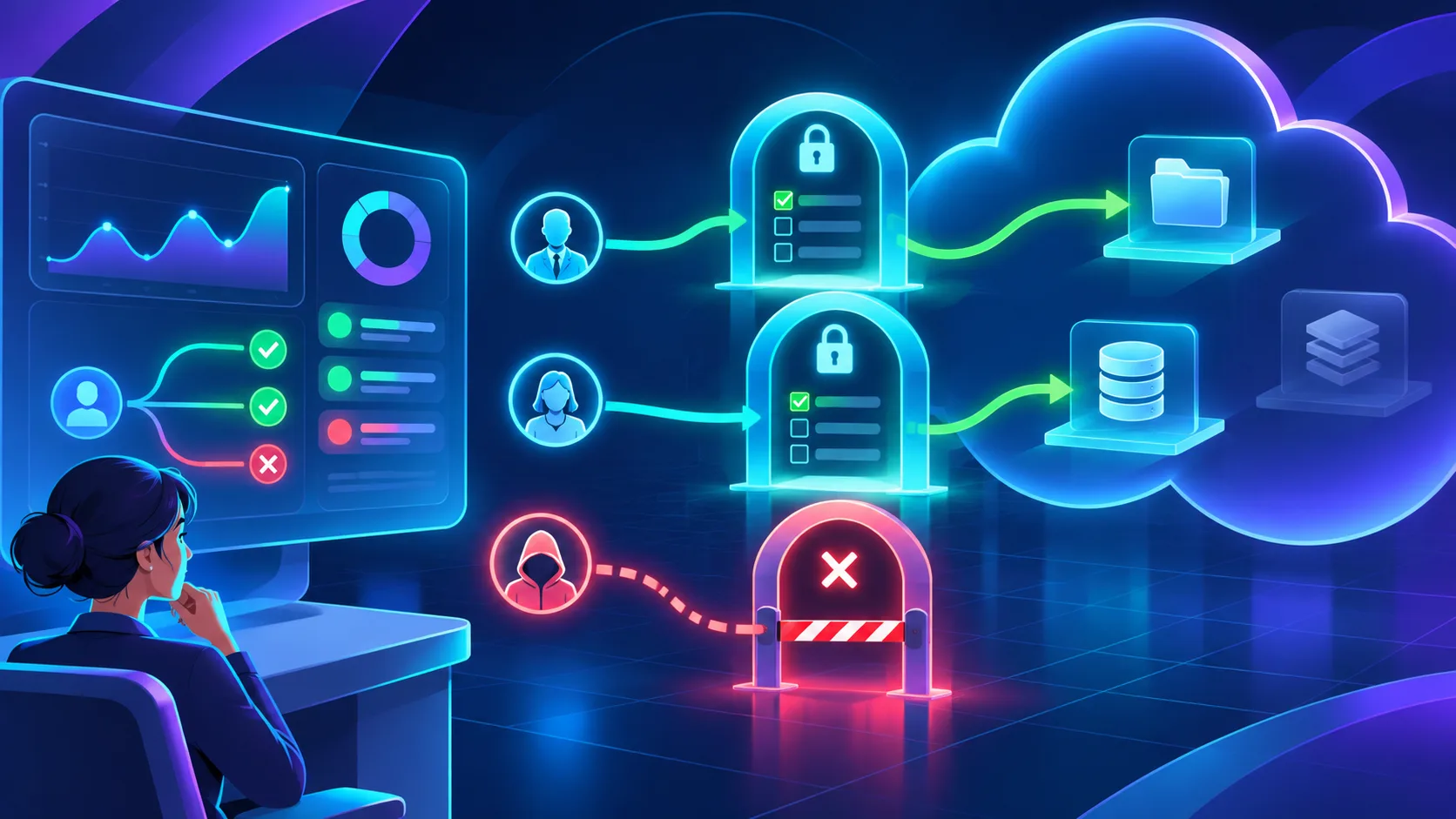
AI systems can create new paths into sensitive operations. Define which data a model can see, which tools it can call and which actions require human approval. Record prompts, tool calls, identity context and policy decisions in a way that supports investigation without collecting unnecessary sensitive content.
4. Test critical third parties
Financial firms depend on cloud platforms, payment networks, identity providers, software suppliers and data services. Map which critical business services depend on each provider, how an outage or compromise would affect them and how the service could be operated temporarily. Contract language should support timely incident information and recovery coordination.

5. Separate experimentation from production
AI experimentation often moves faster than formal change management. Give prototypes isolated data, restricted credentials and clear exit criteria. Before production use, require security review, monitoring, model-change controls and an owner accountable for the business outcome.
6. Rehearse recovery under uncertainty
Recovery exercises should include a technology failure, a compromised provider and a loss of cryptographic trust. Test whether teams can verify software integrity, rotate credentials, move to an alternate service and communicate with customers. The purpose is not to predict one exact incident; it is to make the organization adaptable.
7. Report resilience in business terms
Boards need measures they can act on: critical services without tested recovery, systems using hard-to-replace cryptography, suppliers without clear exit plans, privileged AI workflows and time to restore essential operations. These measures turn technical debt into an investment decision.
What the guidance means for smaller firms
Smaller financial and technology businesses do not need to copy a central bank’s entire operating model. They can start with a practical register of sensitive data, keys, AI tools, third parties and essential services. Prioritize the systems with the longest data life and the greatest customer impact, then improve controls during normal upgrades.
Our related coverage of AI vendor risk and AI software outage controls provides useful context for making this work operational.

Final takeaway: AI and quantum cyber resilience is a planning discipline. Firms that inventory their dependencies, build crypto agility, govern AI access and rehearse recovery will be better prepared for both familiar attacks and future technology shifts.
Sources: Bank of England cyber-resilience guidance consultation; Bank of England quantum-computing effective practices.