CIA System Breach: 6 Defensive Lessons for Business
The reported CIA system breach is a reminder that unclassified systems still need disciplined identity, segmentation, monitoring and response controls.
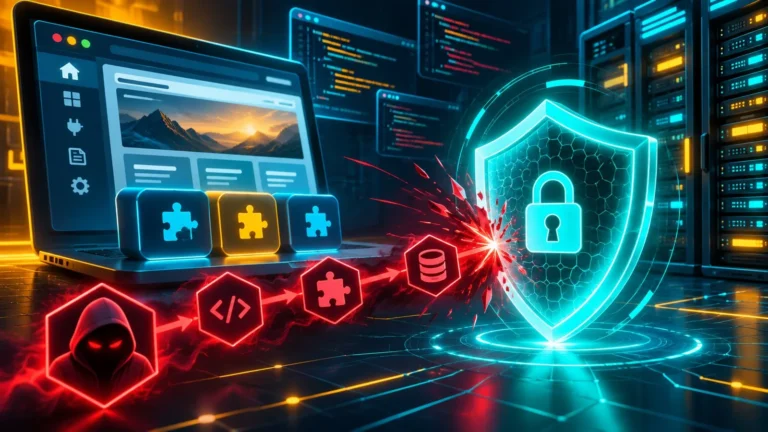
The reported CIA system breach involved an unclassified system, according to a person familiar with the incident who spoke to The Associated Press. The report does not establish that classified systems were accessed, and the details remain limited. The useful lesson for ordinary businesses is more practical: a system does not need to hold the most sensitive secrets to become a valuable foothold.

Why the CIA system breach matters to smaller organisations
Businesses often separate “critical” systems from everyday tools, then give the everyday layer less protection. Email, research portals, shared files, vendor dashboards and public-facing services may not look mission-critical, but they can reveal people, processes and access paths. An attacker can use that information for phishing, credential theft, lateral movement or extortion.
This is not a reason to panic or copy a national-security architecture line by line. It is a reason to apply the basics consistently: strong identity, least privilege, network separation, logging and rehearsed response.
6 defensive lessons from the reported incident
1. Classify systems by business impact
Do not rely on labels such as “internal” or “unclassified.” Record what each system can expose, which identities it trusts, which vendors connect to it and what would happen if it became unavailable or altered.
2. Protect ordinary accounts like privileged accounts
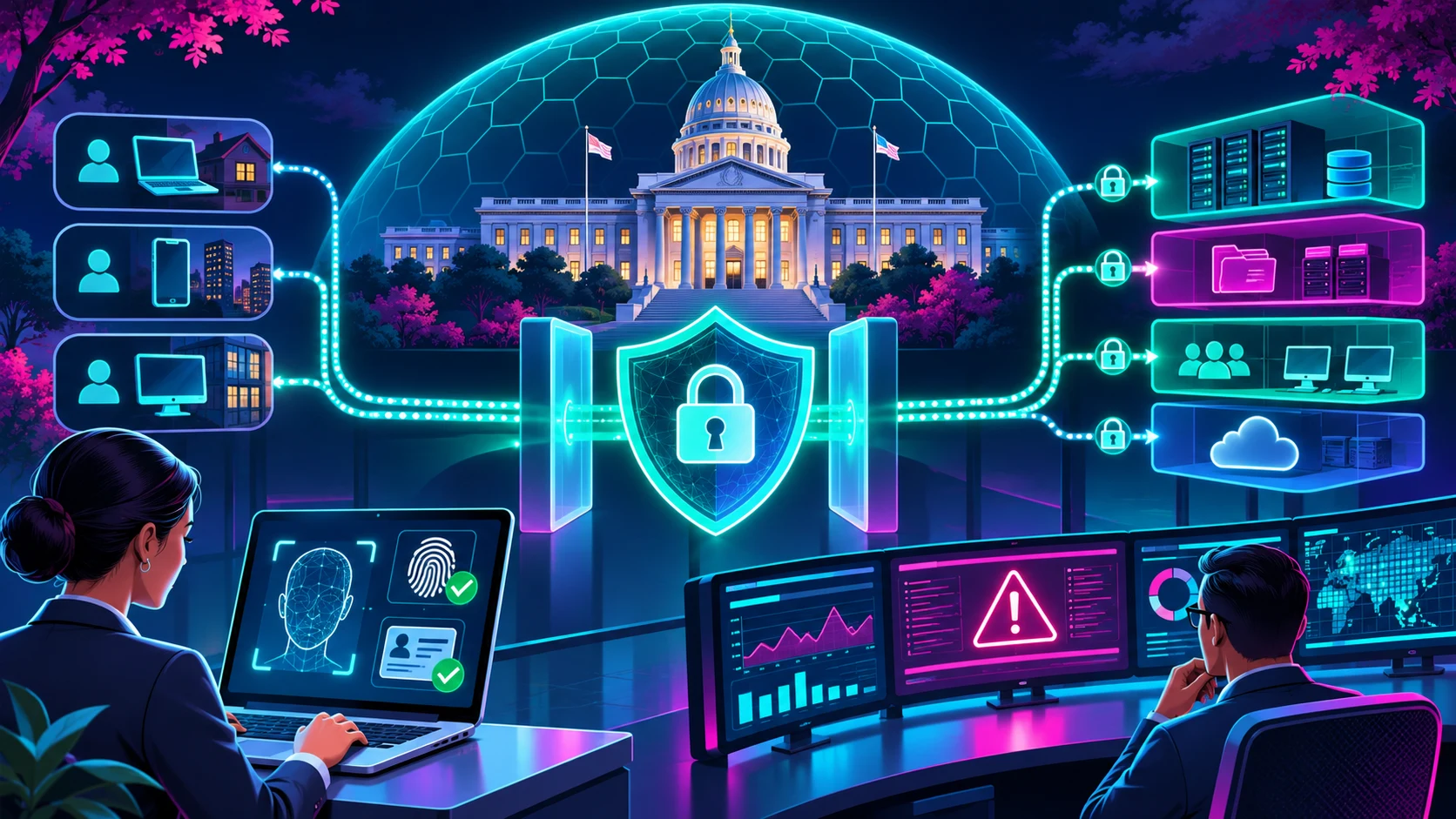
Require phishing-resistant multi-factor authentication where possible, remove unused accounts, review administrator access and separate personal and work identities. Attackers frequently begin with a normal account because it attracts less attention.
3. Segment access instead of trusting the perimeter
Use separate network zones for public services, staff tools, backups and administrative systems. A compromised web application should not automatically provide a path to finance, customer data or management interfaces.

4. Monitor the signals you can act on
Centralise authentication logs, admin changes, unusual downloads, new forwarding rules and unexpected API activity. Alerts should have an owner and an escalation path. Collecting logs without reviewing them creates the appearance of control, not control.
5. Prepare for third-party exposure
Review vendors that can access files, identity systems, support tools or infrastructure. Limit their permissions, require individual accounts and remove access when a contract or project ends.
6. Rehearse the first 24 hours
Write down who isolates systems, who communicates with customers, who contacts legal counsel, who preserves evidence and who restores services. Our earlier analysis of AI-assisted cyberattack lessons covers the same principle: preparation reduces the time between detection and containment.
Build resilience before you need it
Small organisations do not need an intelligence-agency budget to improve their security posture. Start with an accurate asset list, MFA, backups that are isolated from daily accounts, patching discipline and a tested incident plan. Our guide to digital resilience also explains why continuity planning should include both cyber incidents and infrastructure outages.
Our view
The reported CIA system breach is a reminder that “not classified” does not mean “not important.” Every organisation should protect the systems that provide access, context or leverage—even when those systems do not contain its most sensitive records.